The reclaimed wood It has two qualities that new wood does not have: it is already stable, because it has stopped moving for decades, and it has a surface that no treatment can reproduce.
It also has five pitfalls, and it's a good idea to know them before you start the saw.

1. The hidden metal
Nails, screws, staples, and hinge pieces stuck inside. It's not a cosmetic issue: a nail struck by a circular blade or plane ruins the tool instantly and can cause splinters.
The control is done with a metal detector for wood, which is cheap, and by hand on the edges. Old beams always contain more than you see.
2. Chemical treatments
This is the serious part. Not all used wood is reusable for any purpose.
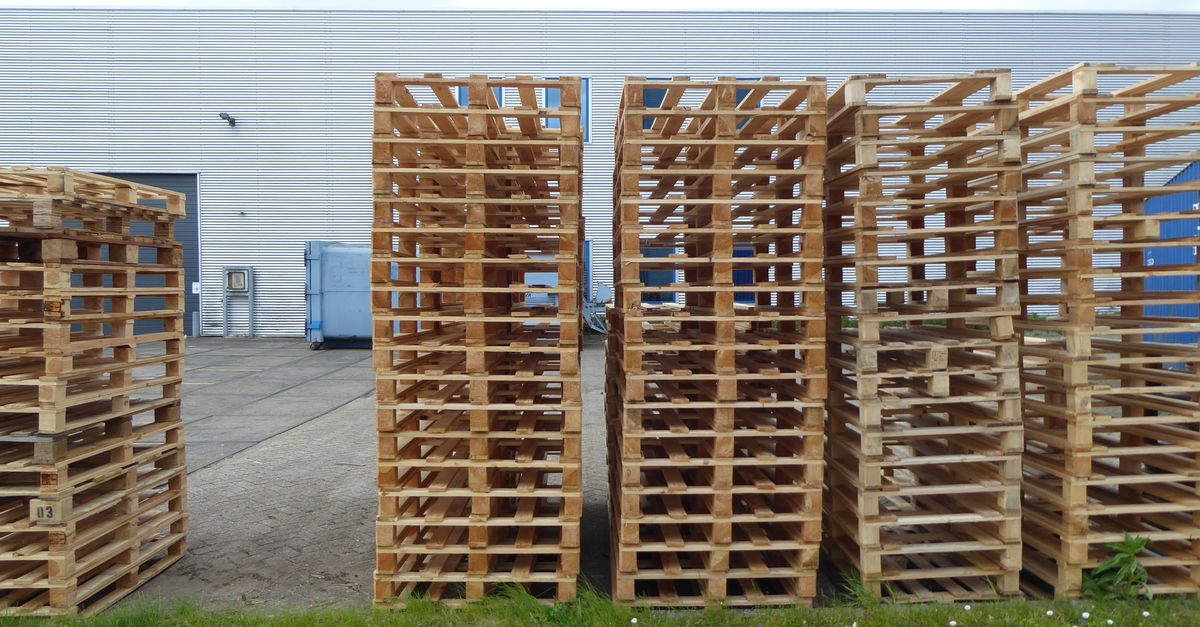
- The pallets they have a marking: the acronym HT indicates the heat treatment, and is the preferred wood. The acronym MB It indicates methyl bromide, a fumigant whose use has been progressively banned in Europe: that wood should not be used for objects of daily use, much less in contact with food.
- Structural beams and wood Older wood may have been treated with preservatives that are no longer permitted. If the wood comes from a roof or an outdoor environment, it is not suitable for cutting boards.
- Furniture painted before the 1980s They may have paint containing lead. Sanding them without protection releases hazardous dust.
The rule of thumb: Reclaimed wood should never be used for objects that come into contact with food, if you don't know its history for sure.
3. The guests
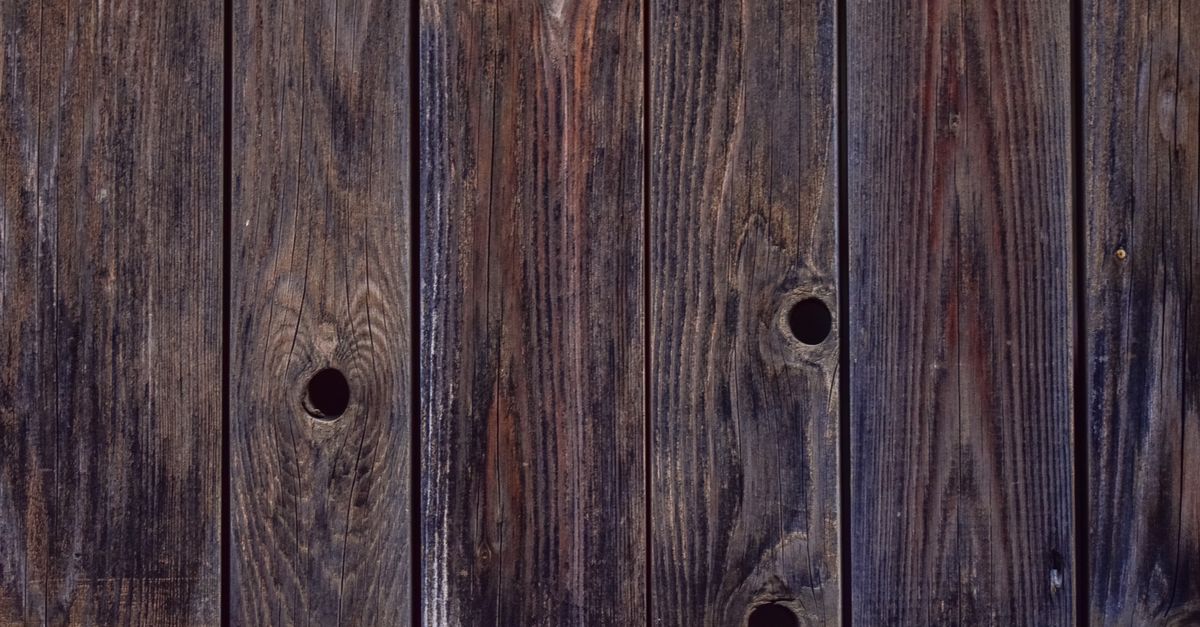
Holes, gnats, tunnels: reused wood is the most common entry point for insects into a workshop or home.
Before introducing it into a room with other furniture, it should be inspected and, if in doubt, treated. And it should be kept separate for a few weeks: it's a quarantine, and it serves the purpose it seems.
4. Humidity
Wood that has spent twenty years in an open barn is not "seasoned": it is in balance with that barn. Brought to a warm house, he will start moving again.
It should be left in its destination environment for weeks before processing, and measured if possible. Its stability is a real advantage, but only after acclimatization.
5. What's beneath the surface
The charm of restoration lies in the patina, and the patina is lost when planing. The question to ask yourself before starting is: Do I want the signs of time or do I want wood?
If you want a lived-in surface, the job is to clean, brush, remove dirt, and stop splinters, not to make everything smooth. If you want wood, consider that under two millimeters of gray you could find any fir: as beautiful as the expense you paid to bring it home.
When it really pays off

Recycling pays off when the material has a visible history and the final object enhances it: a shelf, a top, an exposed element.
It's not profitable when you need precise, healthy wood in large quantities: the time spent sorting, cleaning, and discarding it costs more than the price difference. It's a calculation that professional woodworkers automatically make, and one that beginners discover after the third discarded board.
Sources
- ISPM 15 (FAO): marking of wood packaging: abbreviations HT (heat treatment) and MB (methyl bromide)
- Regulation (EC) 1005/2009 and the Montreal Protocol: restrictions on the use of methyl bromide
- Legislative Decree 81/2008, Title IX: hardwood dust and hazardous substances
- UNI EN 335: Use classes and biological attack
If the wood comes from buildings or structures whose history you don't know, avoid uses that come into contact with food or skin and consider an analysis before working with it.